

 Nelson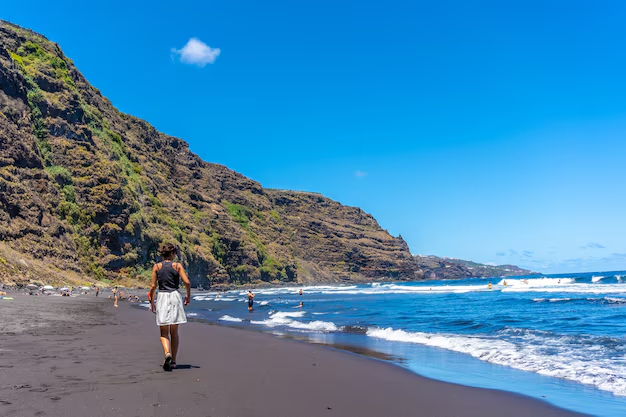
Gran Canaria is often introduced through its coastline, but the island reveals far more once you move beyond the shore. It is compact yet varied, with deep valleys, high ridges, pine forests and dry plains all folded into a small space. The changes in landscape feel quick but natural, as if the island has been carefully layered rather than built.
For many travellers, Gran Canaria holidays begin with ideas of easy sunshine and long beach days, but the interior tells a different story. The terrain shifts quickly from coastal calm to mountain quiet, and the contrast is part of the island’s appeal. Cheap holiday deals may bring people here, but the depth of the landscape is what often keeps them interested.
Gran Canaria holidays become richer once you treat the island as more than a resort base. You often see it approached this way in quieter travel selections, including those shaped by Travelodeal, where variety and balance are part of the story.
Mountains at the Centre
At the heart of the island, the land rises sharply. The interior is rugged and green, with narrow roads winding through valleys and up into cooler air. Villages cling to hillsides, and views open suddenly across deep ravines. It feels removed from the coast, even though it is never far away.
Roque Nublo stands as a quiet landmark, not for scale but for presence. The surrounding area is calm and open, shaped by wind and time. Walking here is less about challenge and more about space. The air is cooler, the light softer, and the pace naturally slows.
A Patchwork of Climates
One of Gran Canaria’s most unusual features is how quickly the climate changes. Drive for half an hour and the scenery can shift from dry and warm to green and shaded. The north feels softer and more fertile, while the south stays bright and dry.
This variety supports different ways of living. Farms, forests and coastal towns exist side by side, each shaped by its own conditions. It gives the island a layered feel, where no single view defines the whole.
Villages with Their Own Rhythm
Away from the larger towns, life feels steady and unforced. Places like Teror and Tejeda move at a human pace, shaped by local routines rather than visitors. Streets are narrow, houses are simple, and daily life unfolds without display.
Shops open when they need to, cafés fill slowly, and conversations take their time. There is no rush to entertain. The atmosphere is practical and warm, rooted in habit rather than performance.
Forests and High Ground
In the higher regions, pine forests stretch across slopes, offering shade and quiet. These areas feel unexpectedly cool and calm, especially after the brightness of the coast. The scent of trees, the sound of wind through branches, and the soft ground underfoot create a different mood entirely.
It is here that the idea of the island as a small continent begins to make sense. The change is not subtle. It is complete.
Food That Reflects the Land
The food is simple and grounded. Potatoes, fresh fish, local cheeses, slow-cooked meats and sauces made from peppers and herbs. Meals are shaped by what grows and what is caught, not by trends.
Restaurants often keep menus short and familiar. It suits the island’s tone, where nothing is overworked and nothing needs decoration.
More Than a Beach Destination
Gran Canaria does not lose its charm when you step away from the sand. It gains it. The interior, the villages, the forests and the open roads all add layers that many never see.
People often arrive for the climate and leave remembering the landscape. The island has a way of expanding in your mind, revealing itself piece by piece. And once you’ve seen that range, it is hard to think of it as just a beach again.

