

 Streamline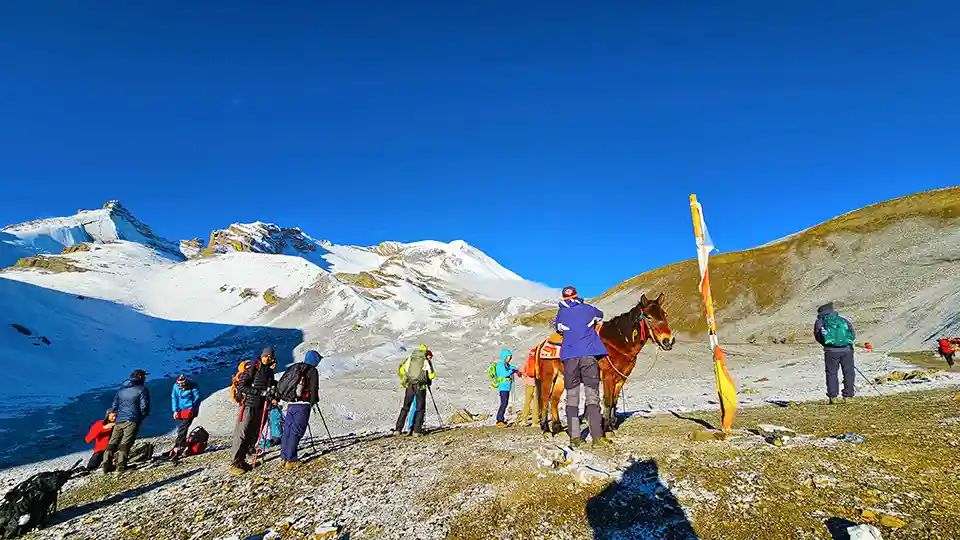
So you are thinking about the Annapurna Circuit Trek? Good choice, actually. It is a walk through some of the most stunning cliff landscapes on earth and it attracts walkers from all over the world year after year. But this is something that no one tells you right away. There are no big mistakes on this trail but minor accidents can quickly mar a good trip. All of this can add up to blisters altitude headaches and the wrong stuff. Let’s discuss some typical pitfalls people can stumble upon and ways to avoid them with the tiniest effort.
Rushing The Altitude Gain
People get excited, they want to move on quickly, and that’s where the trouble begins. Your body takes time to adapt to the lower air pressure. It is common for people to skip rest days around Manang and try to go too hard to Thoron La pass and this seldom works out. Whether you are fit or not altitude sickness will not concern itself. Take it easy, drink water and allow your lungs to catch up. Be patient it’s a must here, believe me.
Packing All Wrong
This one trip up almost everyone at some point. Folks either overpack with stuff they never touch or under pack and freeze at higher camps. Layers matter more than heavy jackets. No gadget will save you more grief than a good sleeping bag for cold nights, sturdy and well-broken-in boots and a decent rain shell. Say goodbye to all that extra weight and hello to pain-free knees, particularly on the way down!
Underestimating Annapurna Circuit Trek Difficulty
Do not let all the talk about Annapurna Circuit Trek Difficulty fool you, it’s not all hype or hyperbole. Weather changes rapidly from warm lowland villages to cold high passes in a matter of days. Thorong La is above 5000 meters and the thin air is different than any gym session could ever be. Some days you will have to walk for 8 hours through the rain, other days you will have to climb steep rocky switchbacks, gasping for breath. Treat the mountain with respect, don’t take a chance.
Ignoring Local Food And Water Advice
Tempting as it sounds to snack on random stuff along the way stick to cooked meals at teahouses. Dal bhat is basically fuel for trekkers here cheap, filling and refills are usually free. Bring purification tablets or a filter to make it more affordable and reduce plastic waste; bottled water becomes increasingly expensive. Your stomach will tolerate it better and quite frankly, the food is quite delicious when you get used to it.
Skipping Proper Gear Checks
Cheap trekking poles snapping halfway through worn-out boot soles giving up on rocky descents, headlamps with dead batteries. Small things yes, but huge headaches at a mile and a half away from the shop. Please inspect equipment before departing Kathmandu or Pokhara. Just to save yourself the hassle of having to purchase expensive replacements in distant villages where the choice is limited.
Going Without Any Guide Support
Independent trekking sounds adventurous and plenty manage it fine. But having someone who knows the trail, the weather patterns and emergency routes adds a safety net most first-timers underestimate. Getting lost near high passes during sudden snowfall is not rare. A guide is not just about navigation either they often share stories and local insight that make the whole trek richer somehow.
Conclusion
Mistakes happen that is just trekking life but most of these are avoidable with a bit of planning. Take your time, pack smart, respect the altitude and do not skip meals or rest days. The circuit rewards patience more than speed, honestly. Get your basics right and this trek becomes one of those memories you carry forever. For more trekking tips and route guidance check out peacenepaltreks.com before you set off.

