

 Streamline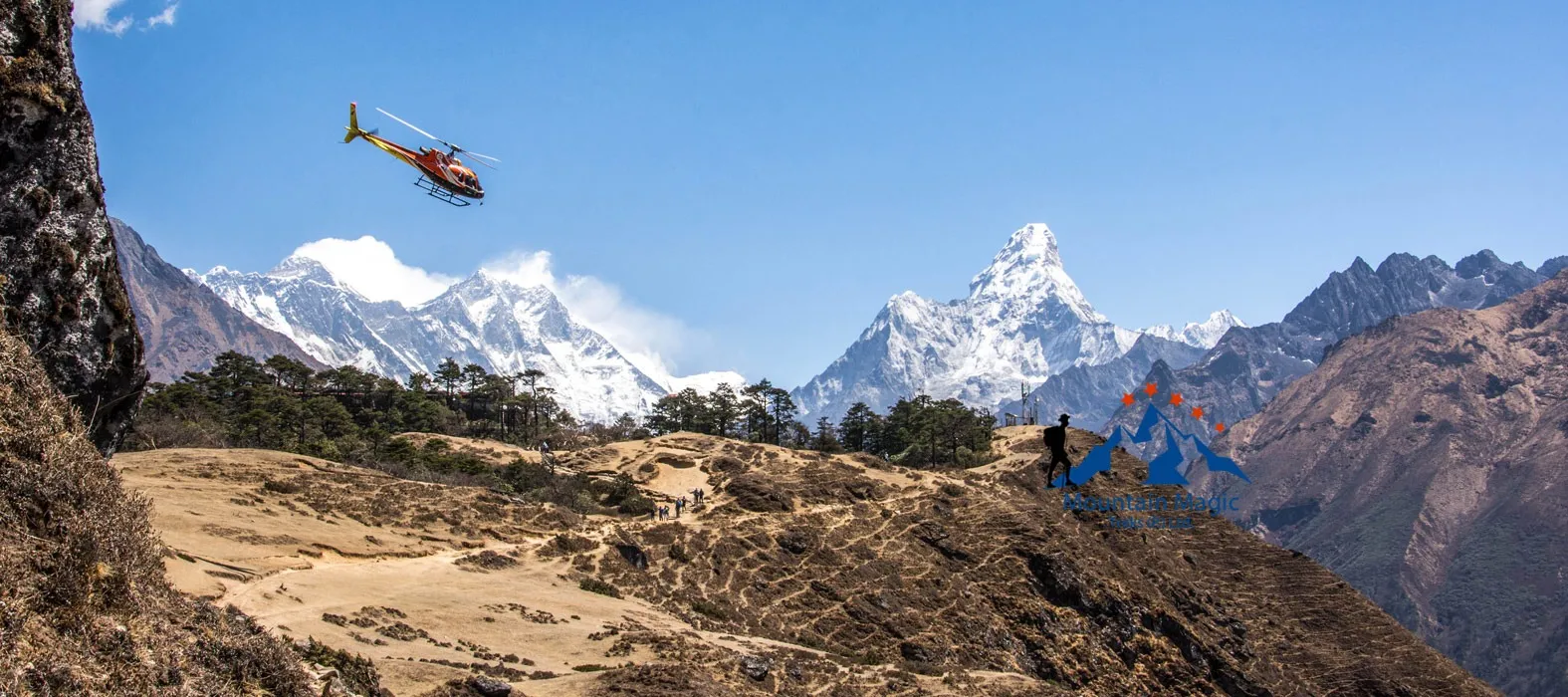
An Everest trek is not just a walk toward one famous mountain. It is a journey through places that look completely different from one day to the next.
You begin among green hills and rivers. Later, the trail moves through forests, mountain villages, rocky valleys, and finally the high Himalayan landscape around Everest Base Camp.
The Everest Base Camp Trek With Helicopter Return lets travelers experience these changes on foot before returning through the mountains by helicopter. This mix gives the journey both a traditional trekking experience and a faster way home.
The Trail Starts With Green Hills
The lower section around Lukla and Phakding feels welcoming.
You can expect green slopes, small villages, stone walls, and the sound of flowing water.
Take Your Time at the Beginning
The first days are a good opportunity to settle into the rhythm of trekking.
Walk comfortably rather than trying to cover the trail as quickly as possible.
Pay attention to your shoes, backpack, and clothing.
If something feels uncomfortable early in the trip, it is better to fix it before reaching higher elevations.
Rivers Become Your Trail Companions
The Dudh Koshi River is an important part of the route.
You will see it beside sections of the trail and cross suspension bridges above its rushing water.
Bridges Add Character to the Trek
Some bridges may look intimidating when you first see them.
Take a steady pace and avoid rushing across.
The views from these bridges can be excellent, especially when prayer flags move in the wind and mountains rise behind the valley.
These simple moments often become memorable parts of the trip.
Namche Brings a New View
The trail toward Namche Bazaar includes a demanding uphill section.
Once you reach the village, the surroundings feel much more mountainous.
Use the Acclimatization Day Properly
Namche is an important place to rest and adjust.
You can explore the village, take a short hike, or simply enjoy the views.
Do not try to fill the entire day with hard activity.
Your body needs energy for the days ahead.
Tengboche Adds Culture to the Route
The journey from Namche toward Tengboche takes you through forests and open mountain sections.
Tengboche is known for its Buddhist monastery and beautiful setting.
Respect the Local Environment
The Everest region is home to communities with deep cultural and religious traditions.
When visiting monasteries or villages, behave respectfully.
Avoid loud behavior around religious places and ask before photographing people.
A trekking trip becomes more meaningful when travelers take time to understand the places they visit.
The Landscape Opens Around Dingboche
As you continue higher, the trees become fewer.
The valley around Dingboche feels much wider, and the surrounding mountains appear closer.
Altitude Changes the Way You Walk
You may notice that uphill sections require more effort.
Even a pace that felt easy earlier can feel tiring now.
That is normal at higher elevations.
Slow down when needed and listen to your guide.
The itinerary includes an acclimatization day in Dingboche before the route continues toward the high mountain sections.
Higher Trails Bring Fewer Trees
Beyond Dingboche, the landscape becomes increasingly rocky.
The green lower valleys are now far behind you.
Look at the Details
You may see glaciers, large rock slopes, prayer flags, and distant peaks.
The landscape can feel quiet and almost empty.
This change is one of the strongest parts of the trek because you can clearly see how altitude shapes the environment.
Lobuche Feels Like the High Himalayas
Lobuche is one of the final settlements before the route reaches Gorakshep.
The surroundings are colder and more exposed.
Keep Your Energy Under Control
By this stage, fatigue can build up.
Do not rush because you are excited about reaching Base Camp.
Keep your pace steady.
Eat enough food and drink water regularly.
The final sections are easier to manage when you still have energy left.
Thukla Offers a Moment to Reflect
Near Thukla, trekkers can see memorials dedicated to people who lost their lives in the Everest region.
It is a quiet part of the journey.
Remember the Risks of the Mountains
The Himalayas are beautiful, but they are not harmless.
Cold, altitude, changing weather, and difficult terrain can create serious challenges.
The memorials provide a reminder to respect the environment and never treat the mountains casually.
Gorakshep Is the Last Major Stop
Gorakshep sits at roughly 5,125 meters.
At this height, the thin air can make simple activities feel harder.
Carry Only What You Need
For the Base Camp walk, keep your daypack light.
Useful items include:
-
Water
-
Snacks
-
Warm layers
-
Sunglasses
-
Sunscreen
-
Camera
-
Personal essentials
A smaller pack can make a long day more comfortable.
Everest Base Camp Is Within Reach
The route from Gorakshep to Everest Base Camp is one of the most important parts of the trip.
The listed elevation of Base Camp is about 5,364 meters.
Focus on the Experience
Do not worry about reaching the destination quickly.
The trail is rocky and the altitude is high.
Walk carefully and take breaks when necessary.
Once you arrive, give yourself time to enjoy the surroundings.
Look Beyond the Famous Sign
Many people imagine Base Camp as simply a place to take one photograph.
But there is much more to see.
Notice the Khumbu Icefall
The surrounding glacier landscape shows how powerful the mountain environment can be.
Look at the ice, rock, and enormous peaks around you.
Take photographs, but also spend some time simply observing.
You have walked for days to reach this place.
Let yourself experience it instead of immediately thinking about leaving.
Kala Patthar Offers a Wider View
After Base Camp, Kala Patthar provides another major highlight.
At approximately 5,545 meters, it is the highest point listed in the itinerary.
Sunrise Is Worth the Early Start
The climb can be cold and tiring.
But the morning light can transform the mountains.
Everest and nearby peaks gradually become brighter as the sun rises.
The view gives you a wider sense of the Himalayan landscape than you get from the trail.
The Helicopter Brings a Different Perspective
After completing the trekking section, the helicopter return changes the pace of the journey.
The Everest Base Camp Trek With Helicopter Return allows you to leave the high mountains without walking the entire route back.
See the Trail From Above
For days, you have experienced the region at walking speed.
Now everything looks different.
Trails become narrow lines.
Villages appear tiny.
Valleys stretch between huge mountain walls.
Glaciers and rivers that seemed separate from the ground become part of one connected landscape.
The flight gives you a final opportunity to understand the scale of the route.
Weather Can Change the Plan
Helicopter flights depend on mountain conditions.
Clouds, wind, and visibility can affect operations.
Keep Your Schedule Flexible
Do not plan an important flight connection immediately after the expected helicopter arrival.
Leave extra time whenever possible.
A flexible plan is much easier to manage if weather causes a delay.
Every Section Adds Something New
The Everest Base Camp Trek With Helicopter Return is special because the experience keeps changing.
The lower trail introduces you to the region.
Namche gives you time to adjust.
Tengboche brings culture.
Dingboche prepares you for altitude.
Lobuche and Gorakshep introduce the high mountain environment.
Base Camp gives you the main achievement.
Kala Patthar provides a wider view.
Then the helicopter shows you everything from above.
What You Carry Home
A successful Everest journey is not measured only by reaching Base Camp.
You also carry memories of the trail.
Maybe it is the sound of the river.
Maybe it is a mountain village at sunrise.
Maybe it is your first clear view of Everest.
Maybe it is the feeling of standing at Kala Patthar.
Or perhaps it is looking down from the helicopter and recognizing the places you walked through days earlier.
The Everest Base Camp Trek With Helicopter Return combines effort, culture, scenery, and a unique return experience.
You walk into the mountains slowly.
You experience them closely.
Then you leave with one final view from the sky.
A Journey That Changes With Every Step
The Everest region never looks exactly the same throughout the trek.
That is part of its appeal.
Every increase in altitude brings a different landscape, different challenges, and different memories.
The best approach is simple: do not rush.
Walk steadily, respect the mountains, give your body time to adjust, and enjoy the places between Lukla and Everest Base Camp.
The helicopter may provide the final ride, but the walking journey is what makes the return view so special.
FAQs
How many days is the listed itinerary?
The listed trip is planned for 10 days.
Where are the acclimatization stops?
Acclimatization days are included in Namche Bazaar and Dingboche.
What is the elevation of Everest Base Camp?
The listed elevation is approximately 5,364 meters.
What is the highest point?
Kala Patthar is approximately 5,545 meters above sea level.
Do travelers walk to Base Camp?
Yes. The main route to Everest Base Camp and Kala Patthar is completed on foot.
Why return by helicopter?
The helicopter removes the long return trek and provides a completely different aerial view of the Everest region.
Can bad weather affect the flight?
Yes. Mountain weather can affect helicopter operations, so travelers should allow some flexibility in their schedule.

